

Can A CRM Systems Make My Businesses More Money?

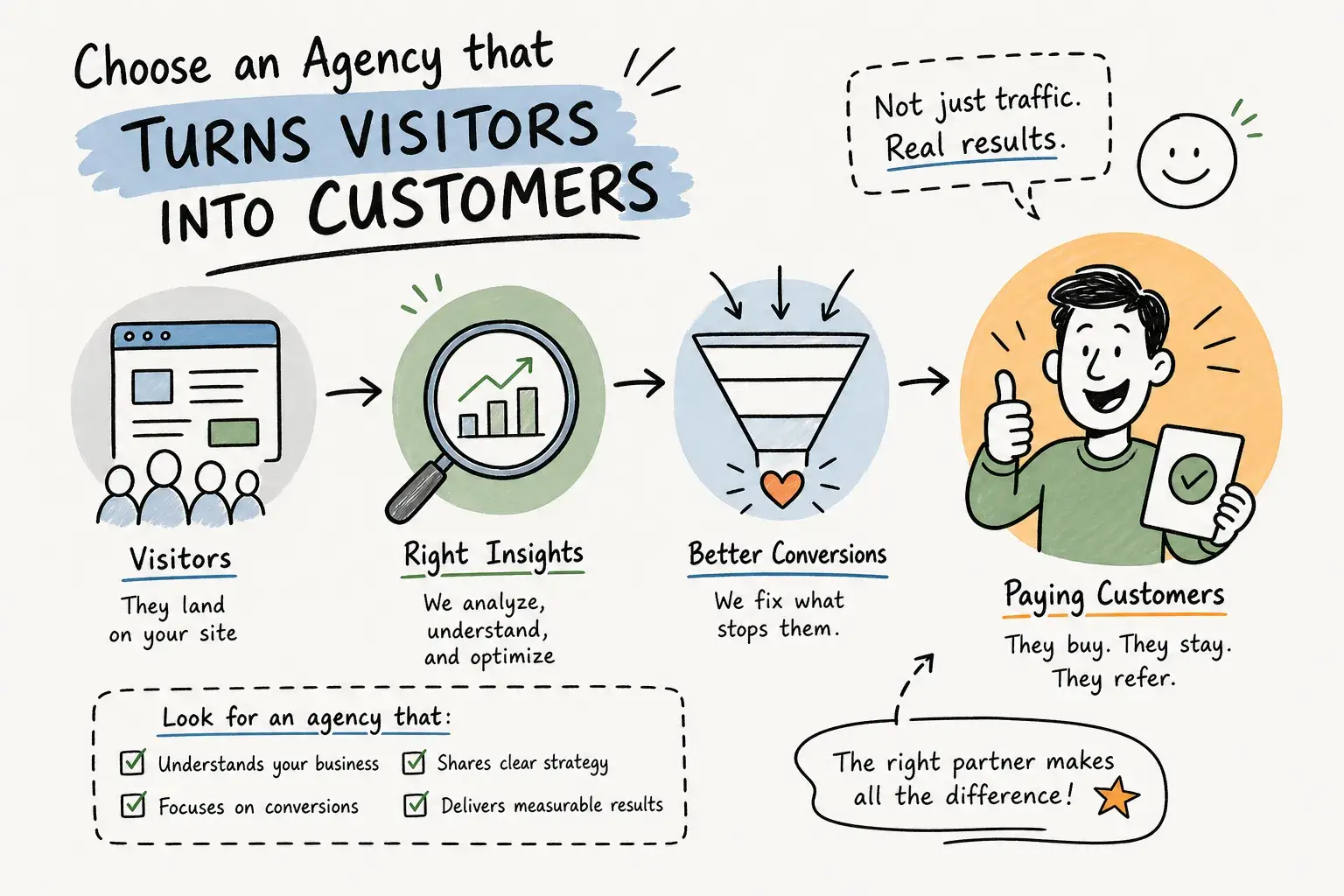
No. I'll be honest with you. A CRM alone will NOT make your business any more money. If you buy it and don’t utilise it properly, it’ll become a glorified address book that no one uses, which costs you thousands. But that choice is yours to make.
Most businesses adopt a CRM to get organised, adding some contact details, a few notes, nothing special, but not really using it. The ones that generate revenue and grow quickly use it to sell smarter, rinsing every single bit of value from the platform.
There’s a big bloody difference between the two...
What a CRM SHOULD Be Doing for Your Revenue.
The core value of a CRM is visibility. Before you have that, you’re making decisions with incomplete information about where to focus commercial efforts, which deals to push, where next month’s revenue is coming from and what type of customers buy the most. This list of possibilities is huge, depending on the platform you choose and how you adopt that tech.
I spent years building sales teams where the weekly pipeline review was non-negotiable. Not because it was an admin exercise, but because it changed the conversation from “I think we’ll hit our number” to “here’s exactly where we are, and here’s what has to happen to make more money for the business and more commission for the team.” That shift alone changes how a team adopts the systems and performs.
That visibility translates into revenue in three concrete ways.
01 — Pipeline Accuracy.
When your forecast is built on accurate, up-to-date data, you make better decisions about where to spend your capacity and your money. Businesses that forecast well don’t just hit their numbers more often. They grow faster because they’re not running blind. And I’ll be honest again. Very few, and I mean very few, businesses track the right numbers, monitor the right metrics or even understand which numbers matter.
Many British businesses turning over less than £10 million run more on entrepreneurial spirit than structured sales techniques and data-driven strategies. And that’s not a bad thing. We don’t know what we don’t know. If that sounds like you, we can help you understand what those numbers mean and how to use them to grow.
02 — Follow-Up That Happens Consistently.
The single biggest source of lost revenue in most businesses isn’t bad leads or a weak product, or even not posting enough on social media. It’s the follow-up that never happened. I see this repeatedly in almost every business I've worked with or in. The gap between a first meeting and a closed sale was almost always a follow-up problem. Most salespeople follow up twice, maybe three times, and then add a vague justification into the CRM as to why the sale hasn't been closed. "No response from the client." "Client ghosted me."
A CRM with properly configured tasks and reminders engineers that problem out. A quote is sent, and the lead enters a workflow that keeps following up for a specific amount of time. If there's no purchase, signed contract or response of any type, the salesperson gets a task alert to follow up by the dreaded phone. A note gets added at the same time. The sales manager can read outstanding task reports and knows exactly where every sales opportunity is without asking the salesperson, "Where are you with this enquiry?"
- 80% of sales require 75 or more follow-up calls after the first meeting.
- 44% of salespeople give up after just one or two follow-ups.
- 29% average increase in sales revenue reported by CRM users.
Why... Why would this feature alone not be enough for a business to run out and buy a CRM?
As a sales leader, all I wanted for my sales team was for them to be sitting discovery calls, completing proposal meetings and signing contracts. Anything that made them do admin work was engineered out by the CRM.
The outcome? An uplift in the number of meetings per week, proposals per week and sales per week. If they do more without improving their sales conversion rates, they will still generate more sales simply by doing more of the stuff that generates sales.
03 — Shorter Sales Cycles.
When a salesperson has the full context of every interaction a prospect has had with your business, they can have a more relevant conversation with the leads or customers who are more likely to convert. They’re not starting from a standing start on every sales call. When a CRM is set up properly with your website, marketing tools and third-party integrations, you can track whether a client downloads anything, opens emails, sits through a webinar or interacts with configuration tools. You can score these interactions and very quickly calculate which leads are engaging at each stage of the sales journey, what they are interacting with the most and how many times they have interacted. Measurable interactions help you understand intent and build a profile on every single lead working through your funnel.
Where Some Businesses Screw This Up.
The CRM platform doesn’t generate revenue on its own. It's not a magic switch you turn on and you've made an extra few hundred grand... The actions you build within it and the behaviours your business adopts do that. That distinction matters because it changes how you implement the tool, how you govern the tool, how you train everyone and how you hold your teams accountable for using it.
A CRM that isn’t being used consistently is just an expensive contact database. I see this constantly when businesses come to us after a failed CRM implementation. The software was fine. The process around it wasn’t defined, and adoption was poor because they either didn't understand it or were overwhelmed by it.
The most common failure is treating the CRM as a reporting tool rather than a marketing and sales tool. When the data only gets updated for a Monday morning review, it’s too late to influence the sale. The businesses that see real revenue impact tend to do three things differently. They define what a qualified lead looks like before anything goes into the system. They make pipeline reviews a selling conversation, not a status update. And they treat CRM activity as a sales discipline, not an admin task.
If your follow-up process has gaps or your sales cycle feels longer than it should, the CRM isn’t the first thing to fix. The process underneath it is. We cover this in more detail in our piece on how to get more sales for your business and in our broader guide to growing a B2B service business in the UK.
The Revenue Impact Is Real, But It’s Not Automatic.
There’s genuine research behind the revenue claims attached to CRM adoption. Salesforce, HubSpot and others consistently publish data showing 20–30% revenue increases for businesses that implement CRM properly. The operative phrase is “done properly.”
That means defined processes, consistent data entry, regular pipeline reviews and leadership that uses the system to coach, not just to report. The two aren’t the same, and confusing them is an expensive error.
The CRM’s impact on revenue isn’t only felt in new business either. Some of the strongest returns come from existing customers, renewal conversations, weekly marketing emails, upsell triggers, lapse alerts and task triggers. Businesses that only think about CRM in the context of new business acquisition tend to underestimate it significantly. We built our own marketing automation and CRM systems at MSM around exactly this principle. The pipeline doesn’t stop at the first sale, and often WhatsApp texts are driving the largest amount of client action.
You can read more about whether automation and CRM software is right for your stage of business in our blog on whether UK and US SMEs need marketing automation CRMs, and our guide to the seven reasons SMEs should invest in marketing automation goes deeper into the investment case.
The Question Always Worth Asking.
If you’re evaluating whether a CRM system can really help with feast or famine cycle, or trying to work out why your current one isn’t delivering, the question to ask is whether your marketing and sales process is defined clearly enough for a CRM to systematise it. A CRM doesn’t create the process. It systematises one. If the process is vague or inconsistently followed, the CRM won’t fix that. It’ll just make the vagueness more visible, drive more leads or customers to a problem and cost your business more money.
Get the process right, and a CRM becomes a genuine game changer. It gives your team the information and structure to have better conversations across vastly more channels, follow up consistently and close more of what’s already in the pipeline. For most businesses, that’s where the revenue is. Not in generating more leads, but in converting the ones already in your pipeline.
If you want to understand how that connects to your wider funnel, our CRO and website performance service and our marketing automation and CRM setup are worth looking at together.
That’s what a CRM is worth. Not the software itself, but what it makes possible when it’s used with discipline and a clear process behind it.
Want to learn more about marketing automation CRMs?
How Marketing Automation Is Transforming UK & US SMEs in 2026
7 Reasons SMEs Should Invest in Marketing Automation Software in 2026
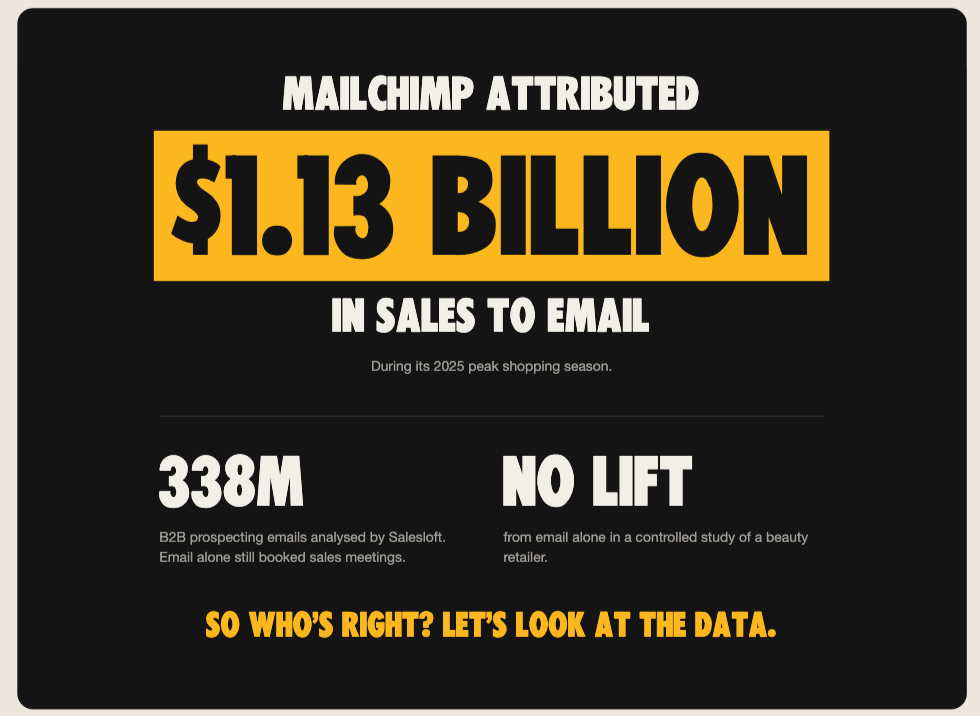
We've reviewed research from major marketing platforms, independent research organisations and academic studies to find the truth. What we found wasn't what we expected.
Traditional search is changing faster than most businesses can keep up with.